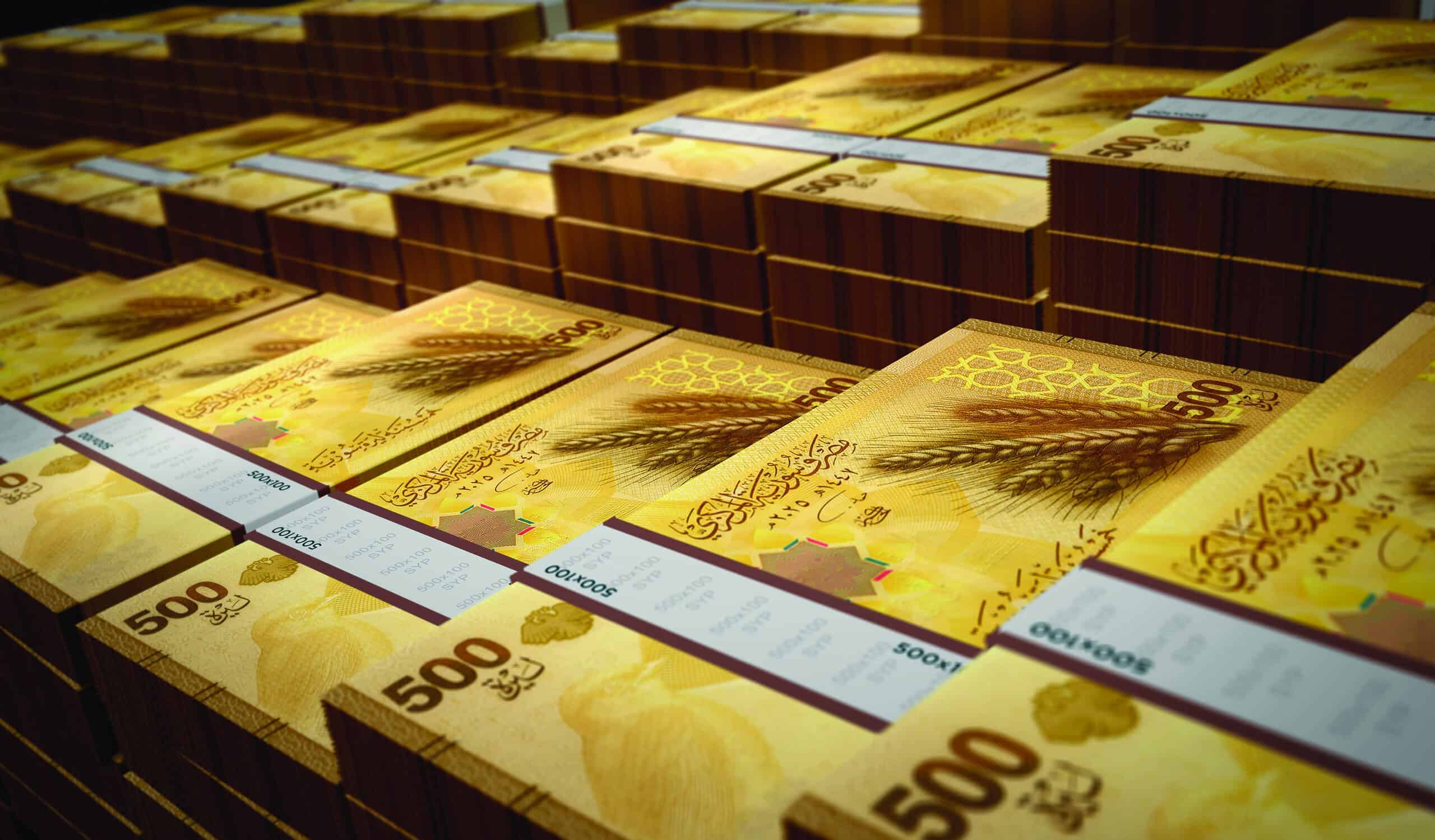
Syria wants to return to global finance, but its own banking sector is stopping it. Global Finance Magazine reported today that weak banks are keeping the country cut off from the rest of the world. This situation makes it hard for the nation to rebuild its money systems today.
Why Syria return to global finance is stuck
Syria is trying to connect its money system back to international markets. However, the local banking sector does not have the tools or trust needed to handle big transactions with other countries. Years of conflict damaged the local banks, so foreign institutions are still afraid to work with them right now.
When a country cannot link to international banks, normal trade becomes almost impossible. Local companies cannot send money abroad to buy goods, and foreign firms cannot pay for Syrian products. This leaves the country isolated from the global economy even when it wants to open up again.
What is holding back the local banking sector?
The main problem is that local banks lack modern technology and clear safety rules. International financial networks require strict rules to stop illegal money movements and protect deposits. Syrian banks cannot meet these high global standards yet, so large foreign institutions refuse to partner with them.
People living in the country suffer because of these broken financial links. Millions of families who live outside the region, known as the Syrian diaspora, find it very hard to send money back home to help their relatives. Without strong banks, ordinary citizens cannot get loans or store their savings safely.
How does a weak banking sector hurt economic growth?
A healthy economy needs strong financial institutions to clear payments and store cash safely. Without modern services, businesses must rely on cash, which is slow and unsafe for large deals. This stops new projects from starting and keeps jobs away from local workers who need them desperately.
To fix this problem, the nation needs major financial reforms and safer institutions. Until local banks rebuild their systems and prove they are reliable, global investors will keep their cash elsewhere. The long history of the Syrian civil war created deep problems that will take years of hard work to fix.
What will happen next for global finance in Syria?
Financial experts are watching to see if local leaders can modernize the banking rules soon. Fixing the financial system is the first big step before any real economic recovery can take off. Without proper banking tools, foreign aid and private investment cannot reach the people who need help.
In the coming months, global leaders will check if local institutions can meet basic safety rules. If the local banks make progress, small trade deals might start again very slowly. For now, the door to international markets stays mostly closed until the banks prove they are ready to handle global money safely.
Comments
Post a Comment